Source Portable Mini Live Broadcast Holder with Bluetooth Remote for Mobile Phone, Computer, Portable Player
Find 30 Portable Mini Live Broadcast Holder with Bluetooth Remote options featuring active amplification, Bluetooth 5.3, and IPX7 waterproof ratings. Buyers can compare models with built-in batteries, SD card support, and magnetic designs for mobile phone, computer, and portable player use.
Key considerations
Products List


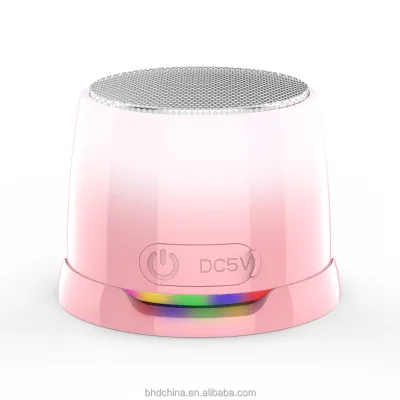


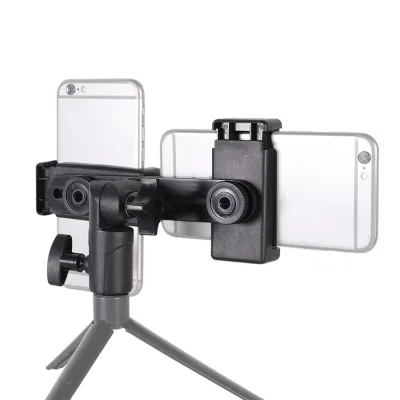


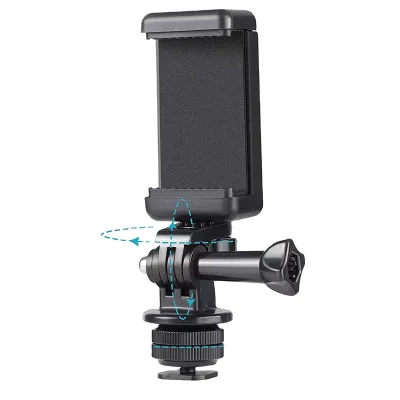
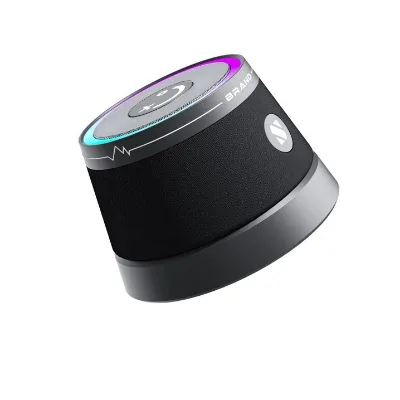


Comprehensive Sourcing Guide
Sourcing Guide for Portable Mini Live Broadcast Holders with Bluetooth Remote
The global demand for portable audio and broadcasting equipment has surged, driven by the rise of content creation, remote work, and mobile streaming. Buyers searching for a "Portable Mini Live Broadcast Holder with Bluetooth Remote" are typically looking for a convergence of three distinct functionalities: a stable mounting solution for mobile devices, high-fidelity audio output for live monitoring or broadcasting, and wireless control capabilities. This guide synthesizes observed market data and technical specifications to provide a disciplined framework for sourcing these devices. The analysis focuses on the intersection of hardware durability, connectivity standards, and functional versatility, ensuring that procurement decisions are grounded in verifiable product attributes rather than marketing speculation.
Technical Specifications and Functional Architecture
When evaluating portable mini live broadcast holders, the core technical architecture must support both the mechanical stability required for live streaming and the audio fidelity necessary for professional monitoring. The observed product landscape reveals a diverse range of specifications, particularly regarding connectivity and power. A critical observation in the current market is the prevalence of Bluetooth 5.3 technology. This version offers significant improvements in transmission stability, lower latency, and reduced power consumption compared to earlier iterations, which is essential for maintaining a seamless connection between a broadcaster's device and the speaker system during live events.
The audio performance is equally critical. Data indicates that many units in this category feature an active amplification type with a rated power ranging from 3 watts to 5 watts per channel. Some configurations offer dual-channel output (5W*2), providing a stereo experience that enhances the clarity of live broadcasts. The frequency response range is a key metric for audio quality; observed units typically span from 100Hz to 20kHz, covering the essential spectrum for voice and music reproduction. Furthermore, the signal-to-noise ratio is a vital indicator of clarity, with high-confidence data suggesting a threshold of ≥70dB. This ensures that background hiss does not interfere with the broadcast signal.
Connectivity extends beyond Bluetooth. Many units support extended storage via SD or TF cards, with maximum expanded capacities observed at 16GB or 32GB. This feature allows for local playback of audio files, serving as a backup if the primary wireless connection fails. The power supply is predominantly USB-based, with rated voltages often cited at DC2.7V. Battery capacity is another variable; observed units range from 500mAh to 800mAh, providing a balance between portability and operational duration. Buyers must verify if the specific unit includes a built-in battery or relies solely on external power, as this impacts the "portable" nature of the device.
Mechanical Design and Material Durability
The physical construction of a live broadcast holder must withstand the rigors of transport and frequent handling. Material selection is a primary differentiator in this sector. Market observations show a split between metal and plastic constructions. Metal-bodied units often provide superior structural integrity and a premium aesthetic, while plastic variants offer lightweight portability and cost efficiency. The choice of material directly influences the device's ability to protect the internal electronics and the mounted mobile phone.
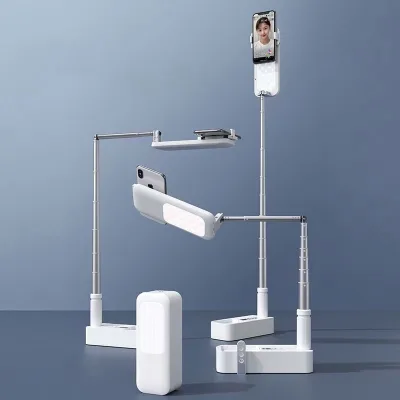
Design features also play a pivotal role in usability. The "Phone Holder" attribute is a standard requirement for this category, ensuring the device can securely mount a smartphone for video conferencing or live streaming. Some units incorporate a vintage radio-cassette recorder style, which, while aesthetic, may imply specific dimensional constraints. Dimensions vary significantly; observed standard sizes include 1509545mm and 20867126mm. Buyers must ensure the physical footprint aligns with their intended use case, whether it is a desktop setup or a mobile field broadcast.
Adjusting methods for volume and playback control are another design consideration. The market offers both touch-control and keystoke (button) interfaces. Touch-control offers a modern, sleek interface suitable for minimalist setups, while keystoke controls provide tactile feedback that can be easier to operate while wearing gloves or in low-light conditions. The connection distance is typically rated at 10 meters, which is sufficient for most indoor and semi-outdoor broadcasting scenarios. Waterproof ratings, such as IPX7, are also observed, indicating that certain models are suitable for outdoor use where exposure to rain or splashes might occur.
Compliance, Certification, and Safety Standards
In the B2B procurement of electronic devices, compliance with safety and environmental standards is non-negotiable. While specific certification labels were not explicitly detailed in the provided product attributes, buyers must rigorously verify that the manufacturer adheres to relevant international standards. The "prod_standard" field often references the product type, such as "Magnetic Portable Speaker," but this does not equate to a safety certification.
Buyers should request documentation confirming compliance with electrical safety standards, such as IEC 60065 for audio, video, and similar electronic apparatus. Given the presence of lithium-ion batteries in many portable units, compliance with UN38.3 for battery transport safety is essential for international shipping. Additionally, electromagnetic compatibility (EMC) directives, such as the EU's RED (Radio Equipment Directive) or FCC Part 15 in the United States, must be verified to ensure the Bluetooth 5.3 module does not cause interference with other equipment.
The origin of the product is a significant factor in compliance verification. Observed origins include Shenzhen, Guangdong, and general China. While these regions are hubs for electronics manufacturing, the specific factory's quality management system (ISO 9001) and environmental compliance (ISO 14001) should be audited. Buyers should not assume that a product labeled with a standard like "Magnetic Portable Speaker" meets all regulatory requirements; this label often describes the form factor rather than a regulatory certification.
Cost Drivers and Pricing Dynamics
The pricing of portable mini live broadcast holders is influenced by a complex interplay of factors, including material costs, component quality, and customization capabilities. The observed price range in the market is broad, spanning from $0.93 to $39. This variance reflects differences in build quality, brand positioning, and feature sets. The lower end of the spectrum typically corresponds to plastic-bodied units with basic features, while the higher end often includes metal construction, advanced Bluetooth versions, and enhanced audio output.
Customization is a significant cost driver. The availability of customization options allows buyers to tailor the product to their brand identity, but this often involves higher Minimum Order Quantities (MOQ). The observed MOQ range is 1 to 1000 units. Small MOQs are suitable for prototyping or testing the market, while larger orders benefit from economies of scale. The packaging type also affects cost; options range from simple paper boxes to more elaborate color boxes, which can add to the unit price but enhance the perceived value for end consumers.
Other cost factors include the complexity of the internal circuitry. Units with dual-channel audio (5W*2) and higher battery capacities (800mAh) will inherently cost more than single-channel, lower-capacity models. The inclusion of special functions like radio tuning or memory card support adds to the bill of materials. Buyers should analyze the total cost of ownership, including shipping and potential tariffs, rather than focusing solely on the unit price.
Typical Applications and Use Cases
The versatility of portable mini live broadcast holders makes them suitable for a wide array of applications. The primary use cases identified in the market include portable players, mobile phones, and computers. This triad of usage indicates that the devices are designed to be agnostic to the source of the audio or video feed.
For content creators, these devices serve as an all-in-one solution for live streaming. The integrated phone holder allows for hands-free operation, while the Bluetooth remote capability enables control over playback and volume without needing to touch the phone screen. The radio function provides an additional layer of utility, allowing broadcasters to tune into local stations or use the device as a standalone audio source.
In the corporate sector, these units are ideal for remote meetings and virtual classrooms. The active amplification and clear frequency response ensure that voices are heard clearly, reducing the need for external speakers. The portable nature of the device allows for easy transport between meeting rooms or offices. For outdoor events, the waterproof rating (IPX7) and built-in battery make these units suitable for field reporting or outdoor presentations where power outlets may be unavailable.
Supplier Evaluation and Quality Control
Selecting the right supplier is critical to ensuring product reliability and consistency. Buyers should prioritize suppliers who can provide detailed technical documentation and demonstrate a commitment to quality control. The "prod_model" identifiers, such as K10, XH-PS-L26, and XH-PS-612, serve as unique references for specific product iterations. Buyers must ensure that the supplier can consistently reproduce these models without deviation in critical specifications like frequency response or battery capacity.
Quality control measures should be verified at multiple stages. Incoming quality control (IQC) should check raw materials, such as the metal or plastic components, for defects. In-process quality control (IPQC) should monitor the assembly of the Bluetooth module and the wiring of the amplifier. Final quality control (FQC) must include functional testing of all features, including Bluetooth connectivity, audio output, and the phone holder mechanism.
Buyers should also evaluate the supplier's ability to handle customization requests. The "Customization: Available" attribute suggests flexibility, but the supplier must demonstrate the capacity to execute these changes without compromising quality. This includes the ability to modify packaging, branding, and potentially internal components to meet specific requirements.
Long-Term Procurement Considerations
Sourcing decisions should be made with a long-term perspective, considering the lifecycle of the product and the supply chain's resilience. The rapid evolution of Bluetooth technology means that devices based on older versions may become obsolete quickly. Therefore, prioritizing units with Bluetooth 5.3 or newer ensures a longer usable lifespan.
Supply chain stability is another key consideration. Buyers should assess the supplier's production capacity and lead times to ensure they can meet demand fluctuations. The observed MOQ range of 1 to 1000 units offers flexibility, but buyers must balance this with their inventory management strategies. Overstocking can lead to obsolescence, while understocking can result in missed sales opportunities.
Finally, after-sales support and warranty policies are essential for long-term procurement success. Buyers should negotiate clear terms regarding defect rates, replacement policies, and technical support. The complexity of the devices, with their multiple functions and connectivity options, necessitates a robust support structure to address any issues that arise post-delivery. By focusing on these long-term factors, buyers can build a sustainable supply chain that supports their business growth and maintains high product standards.
FAQs
What is the maximum expanded storage capacity for these speakers?
The maximum expanded storage capacity is 32GB for models supporting TF cards. Some units offer 16GB via SD cards, allowing local playback as a backup if the wireless connection fails during live broadcasts.
Can these devices be customized for branding purposes?
Yes, customization is available for these portable speakers. Buyers can tailor the product to their brand identity, though this often involves higher minimum order quantities depending on the specific customization requirements requested.
Which Bluetooth version is supported by these units?
These units support Bluetooth 5.3 technology. This version offers improved transmission stability and lower latency compared to earlier iterations, which is essential for maintaining a seamless connection during live streaming events.
How long does the built-in battery last on average?
The built-in battery capacity ranges from 500mAh to 800mAh. This provides a balance between portability and operational duration, though exact runtime depends on the specific model and usage intensity during broadcasting.
What is the rated power output for these speakers?
The rated power output ranges from 3 watts to 5 watts per channel. Some configurations offer dual-channel output of 5W*2, providing a stereo experience that enhances the clarity of live broadcasts and voice reproduction.
Are these speakers waterproof for outdoor use?
Yes, certain models feature an IPX7 waterproof rating. This indicates they are suitable for outdoor use where exposure to rain or splashes might occur, ensuring durability during field reporting or outdoor presentations.
What materials are used to construct these speaker bodies?
The speaker bodies are constructed from either metal or plastic. Metal units provide superior structural integrity and a premium aesthetic, while plastic variants offer lightweight portability and cost efficiency for different buyer needs.
How far can the Bluetooth connection extend reliably?
The connection distance is typically rated at 10 meters. This range is sufficient for most indoor and semi-outdoor broadcasting scenarios, allowing users to move freely while maintaining a stable audio link.